When a Portuguese Visa Application Stalls: Silence, Delay and the Duty to Decide
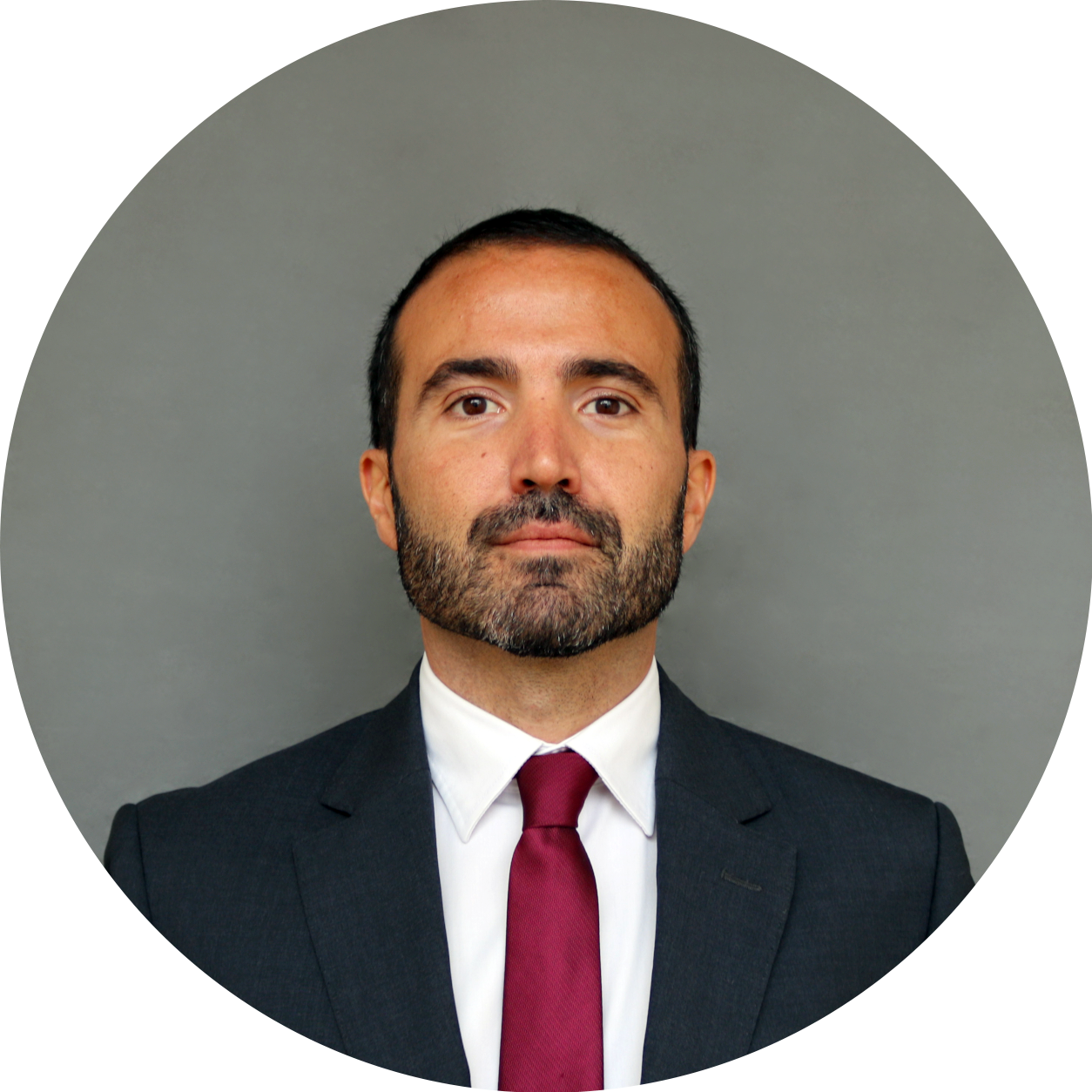
Javier Mateo | Lawyer
Is your Portuguese visa application lost in a cycle of administrative silence? While intermediaries may manage the logistics, the legal responsibility to issue a timely decision rests solely with the State. This article explores the "Duty to Decide" under Portuguese law and the specific judicial mechanisms available to end unlawful delays and restore legal certainty to your relocation plans.

Challenging Consular Inaction: Your Rights Under the Portuguese Code of Administrative Procedure
For many applicants seeking a Portuguese visa, the most difficult part of the process is not a refusal, but silence.
Months pass without updates. Emails remain unanswered. In some countries, even securing an appointment becomes a challenge in itself, particularly where the process is managed through private intermediaries. What should be a structured administrative procedure turns into a
prolonged state of uncertainty, with no clear explanation and no visible progress.
In these situations, a fundamental legal question arises:
who is actually responsible for the delay?
Under Portuguese law, even where parts of the visa process are operationally handled through private service providers,
the procedure remains attributable to the Portuguese administrative authorities. The State cannot avoid its legal obligations by delegating practical or logistical aspects of the process. From a legal standpoint, the applicant’s relationship is always with the administration, and it is the administration that must answer for any failure to act.
This becomes particularly relevant in
jurisdictions where visa procedures are mediated by private service providers. Applicants often face
significant practical barriers, such as the inability to secure appointments, lack of transparency in scheduling systems, or the absence of meaningful communication channels. However, these operational difficulties do not alter the legal framework. Private entities act merely as intermediaries. They do not assume the State’s duty to process applications or to issue decisions within a reasonable time. That duty remains with the
competent public authorities.
Portuguese administrative law imposes a clear and binding obligation on the administration: it must decide. This is not a matter of discretion or convenience, but a legal duty enshrined in the principle of decision, set out in Article 13 of the Code of Administrative Procedure. Public authorities are required to rule on requests addressed to them, bringing administrative procedures to a conclusion through an express decision.
This duty is closely linked to broader principles governing administrative action, namely the
principle of good administration and efficiency, under Article 5 of the Code of Administrative Procedure, and the
principle of celerity, under Article 59 of the same Code. These principles require that administrative procedures be conducted in a timely and effective manner, ensuring that individuals are not left in prolonged uncertainty.
In the specific context of
residence visas, the law establishes a
standard decision period of 60 days, pursuant to Article 58(4) of
Law no. 23/2007. While
practical constraints may, in some cases, affect the pace of the procedure, prolonged inaction extending over many months or even years is difficult to reconcile with the administration’s duty to decide within a reasonable time. A delay of this magnitude will often amount to a breach of the administration’s legal obligations.
Administrative silence, in such cases, is not neutral. It may amount to an
unlawful omission. It reflects a failure to comply with the duty to decide and
undermines fundamental principles of administrative law, including legal certainty and the protection of individuals’ rights. The absence of any decision also leaves the applicant without any meaningful understanding of the administration’s position or the status of the application.
The consequences of this silence are significant. Applicants are left unable to organise their personal and professional lives. They cannot
relocate,
secure housing, plan their financial affairs, or make
long term decisions with confidence. In many cases, this uncertainty persists indefinitely, creating a situation that is both
legally unacceptable and humanly unsustainable.
Portuguese law does not require applicants to passively endure this situation. While initial steps may involve administrative complaints or approaches to oversight bodies such as the Ombudsman, there are also effective
judicial remedies available. In particular, applicants may bring proceedings before the administrative courts to seek the
condemnation of the administration to practise the legally due act, thereby compelling the authorities to issue a decision. These actions are designed not to replace the administration’s judgment, but to ensure that it fulfils its fundamental
duty to decide.
In more severe cases, particularly where the delay is extreme or where the applicant’s personal circumstances justify urgency, it may also be possible to resort to expedited
judicial mechanisms aimed at protecting
fundamental rights. That said, Portuguese case law has made clear that such urgent remedies are exceptional and depend on strict requirements, including the indispensability of an urgent final judicial decision.
Conclusion
Ultimately, what must be emphasised is that the administration cannot remain silent indefinitely. The duty to decide is a cornerstone of administrative law, and its violation opens the door to
legal action. Applicants are entitled to a decision within a reasonable timeframe, and when that entitlement is ignored, the courts provide a means to
restore legality and certainty.
At
LVP Advogados, we have extensive experience assisting clients facing
visa delays, consular inaction, and systemic obstacles in accessing the Portuguese immigration system. We understand both the legal framework and the practical challenges involved, and we are prepared to act decisively to protect our clients’ rights.
If you are experiencing prolonged delays, lack of response, or difficulties in progressing your visa application, we invite you to reach us through our contact form. We will carefully assess your situation and advise on the most effective course of action to help ensure that your case receives the decision it is legally entitled to.