D3 Visa - Portugal’s Smart Route for Global Talent and Their Families
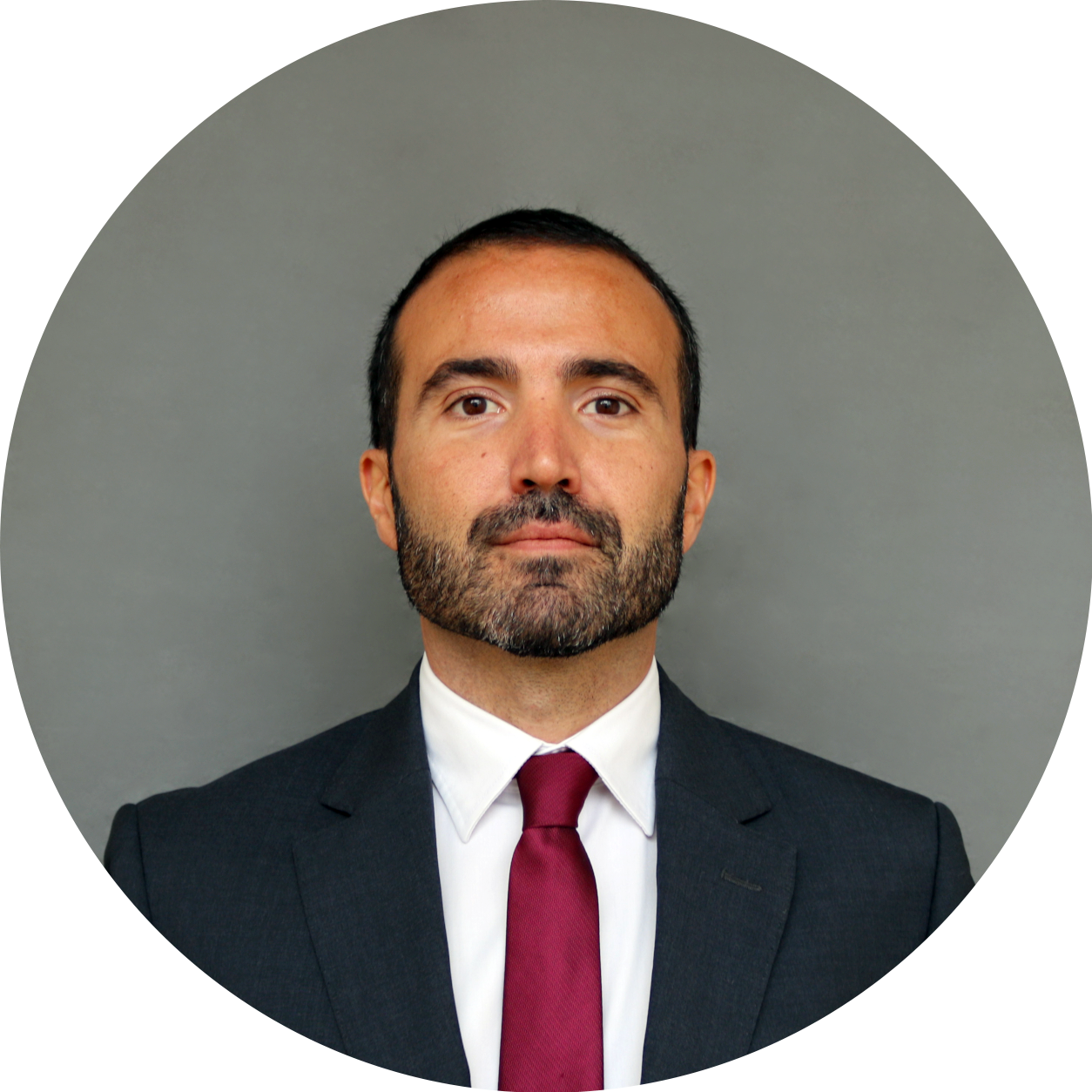
Javier Mateo | Lawyer
Portugal’s D3 residence visa has long been positioned as a
premium immigration route for highly qualified professionals. Designed for individuals carrying out
highly qualified activities, whether under an employment relationship or on an independent basis, the D3 visa reflects Portugal’s
strategic commitment to attracting global talent. Following the most recent reform of the Portuguese Immigration Law, which entered into force in October 2025, this residence pathway has become even more compelling, particularly from a
family mobility perspective.
The D3 visa corresponds to the residence authorisation provided for under
Article 90.º, no. 1 of Law no. 23/2007. It applies to
third country nationals who will perform an activity requiring specialised technical skills, a high level of qualification or professional experience of an exceptional nature. In practice, it covers
senior executives, engineers, IT specialists, researchers, consultants, university lecturers and other professionals whose profiles are considered strategic for the Portuguese economy.
Under Regulatory Decree no. 84/2007, of 5 November, the residence permit associated with a D3 visa requires, in summary, a valid passport and D3 visa, proof of lawful entry into Portugal, evidence of a highly qualified activity under Article 90.º, no. 1 of Law no. 23/2007 (such as an employment or service contract), proof of relevant academic or professional qualifications, evidence of accommodation and means of subsistence where applicable, criminal record certificates duly legalised, authorisation to consult the Portuguese criminal record, tax and social security registration when required, and proof of professional registration where legally necessary.
Unlike more general residence routes, the D3 framework is built around qualification and added value.
Applicants must demonstrate that they hold advanced academic qualifications or equivalent professional experience and that their activity in Portugal is genuinely highly qualified. This requirement is balanced by a more robust legal status, enhanced credibility before the authorities and increased predictability in the residence process.
The most significant recent development, however, lies not in the admission criteria but in what follows after residence is granted. The reform of Law no. 23/2007 has substantially reshaped the rules on family reunification, and D3 residence holders are now among the main beneficiaries of this shift.
As a general rule, set out in Article 98.º, no. 1 of Law no. 23/2007, a foreign national must hold a valid residence permit for at least two years before being entitled to apply for family reunification. This waiting period has traditionally represented a major obstacle for internationally mobile professionals, particularly those relocating with spouses and children or planning medium term settlement.
The legislator has now recognised that such a delay is incompatible with the realities of highly qualified migration. As a result, Article 98.º, no. 3 introduces an express exemption from the two year waiting period for certain categories of family members, including the family members of holders of residence permits granted under Articles 90.º, 90.º-A and 121.º-A of Law no. 23/2007.
Because the D3 visa is legally anchored in Article 90.º, no. 1, D3 residence holders fall within the scope of this exemption. In practical terms, this means that
family reunification may be requested immediately, subject to compliance with the general legal requirements applicable to the family members concerned.
The exemption applies, in particular, to
minor or incapacitated children who are dependent on the applicant, as well as to a spouse or partner who is also the parent or adoptive parent of a dependent minor or incapacitated child. For highly qualified professionals relocating to Portugal, this represents a decisive advantage. It allows families to plan relocation as a single project rather than in fragmented stages, reducing emotional strain and increasing stability.
From a strategic perspective, this reform aligns Portugal with best international practices in talent mobility. Highly qualified professionals rarely move alone. Career decisions at this level are deeply intertwined with family considerations, schooling, healthcare and long term residence planning. By removing the waiting period for family reunification in qualifying cases, Portugal sends a clear message that it is not only open to talent but also to the families that come with it.
The impact is also relevant for employers and organisations operating in Portugal. The D3 visa, combined with early access to family reunification, strengthens Portugal’s position in international recruitment. It reduces resistance from candidates who might otherwise hesitate to relocate and enhances retention by fostering family stability from the outset.
From a legal and advisory standpoint, this change reinforces
the importance of careful immigration strategy design. Choosing the D3 route, where the professional profile allows it, can now generate advantages that go well beyond the initial residence authorisation. It affects family planning, schooling decisions, tax structuring and long term residence and nationality strategies.
In short, the D3 visa has evolved from a strong residence option into a truly holistic mobility solution. With the October 2025 reform, highly qualified professionals gain not only
a direct and structured path into the Portuguese labour market but also
a family friendly legal framework that recognises mobility as a shared journey.
For global talent looking for a European base that values both expertise and family unity, the message is clear. Portugal, through the D3 visa, offers certainty, opportunity and stability.
If you meet the professional criteria and have been considering this move, the legal framework is now clearly aligned in your favour. Should you wish to explore this option with tailored legal support,
our team is available to assist you and your family throughout your relocation to Portugal.